What to Expect During Dental Implant Recovery: A Guide for Gainesville-Area Patients

August 26, 2026

Dental implant recovery can feel uncertain at first, but knowing what to expect makes the process far less stressful. This guide is for patients in the greater Gainesville, FL, area who are considering or have recently received dental implants in Newberry, FL, and want an honest picture of the road ahead. From the first hours after surgery through long-term care, each stage has its own milestones and manageable steps.

What Happens in the First Week After Implant Surgery?

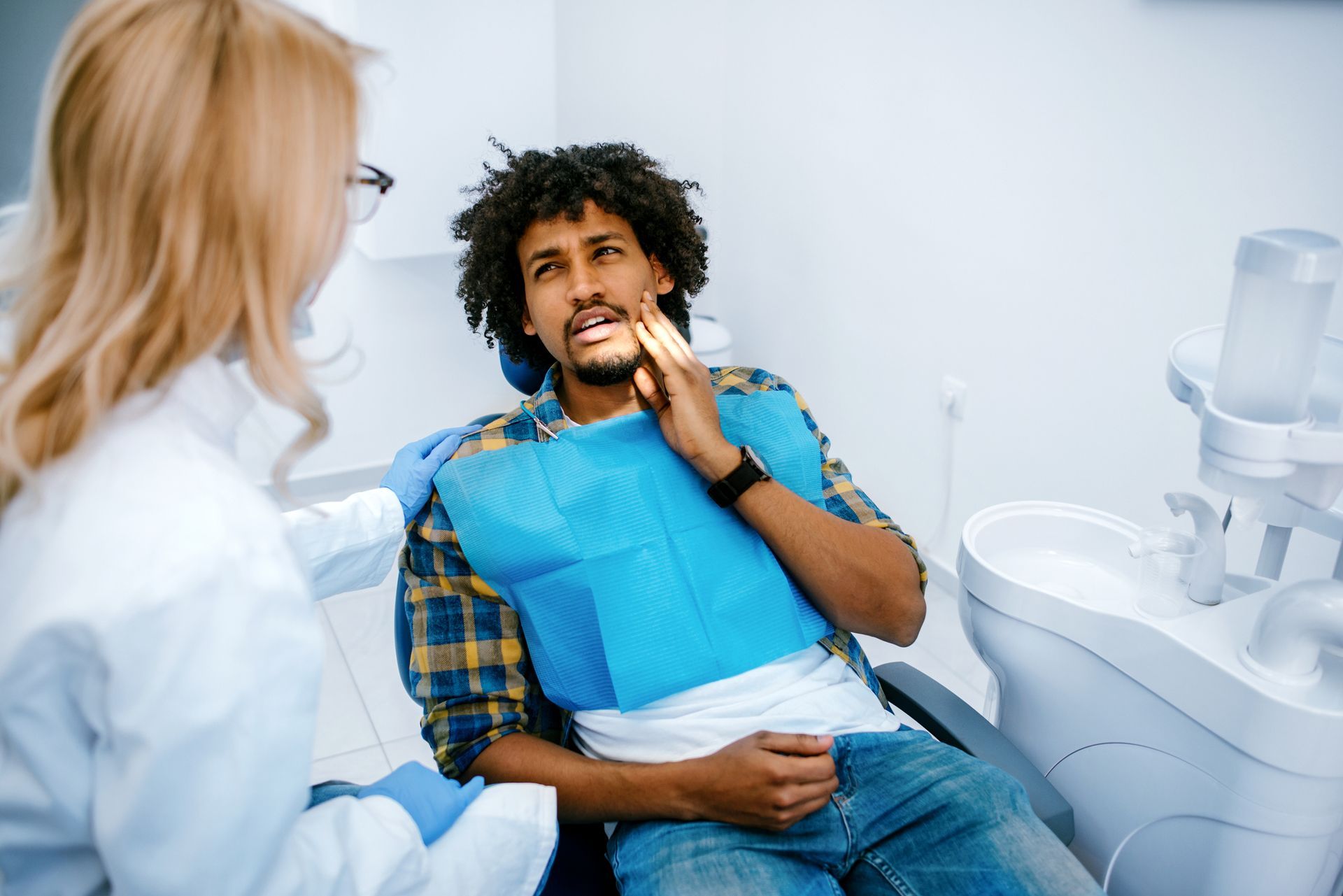
The first week is the most noticeable part of dental implant recovery. Most patients experience swelling, mild bleeding, and soreness around the surgical site -- all normal signs that healing has begun. Swelling often peaks around 48 to 72 hours after surgery, so do not be alarmed if you feel puffier on day two or three than on day one.


Stick to soft foods during this period: mashed sweet potatoes, scrambled eggs, smoothies, yogurt, and lukewarm soup. Avoid anything crunchy, chewy, or hot for at least the first several days. Take any prescribed pain relievers or antibiotics as directed. Rest as much as possible in the first 24 to 48 hours, and keep your head slightly elevated -- even while sleeping -- to reduce swelling. Following these guidelines closely sets the tone for a smoother overall recovery.

Foods to Avoid During Early Healing

Hard foods like chips, nuts, and raw carrots may disturb the implant site. Chewy foods like bagels and tough meats put strain on the jaw. Hot liquids can increase blood flow and slow clotting. Alcohol and tobacco significantly delay healing. Avoid drinking through a straw for the first few days, as suction may disrupt the wound.

Understanding Osseointegration: The Heart of Implant Recovery

Osseointegration is the process by which your jawbone grows around and fuses with the titanium implant post. This fusion is what makes dental implants so stable and long-lasting. It typically takes three to six months, though timelines vary based on overall health, bone density, and whether bone grafting was required.


During this phase, you may feel little to nothing at the site -- that quiet period is a good sign. The implant is not fully functional yet, so you will likely wear a temporary restoration while your permanent crown is prepared. Around the three-month mark, your care team may take updated X-rays to assess integration. Once they confirm the implant has fused properly, you will move to the next stage. Many patients who have chosen dental implants in Newberry, FL, find this middle phase the easiest to manage once they understand why patience matters.

Managing Discomfort and Swelling Throughout Recovery

Discomfort is typically manageable with over-the-counter pain relievers or a short prescribed course of medication. During the first 24 hours, apply a cold compress to the outside of your cheek in 20-minute intervals. After 48 hours, gentle warmth may be more effective.


If pain or swelling increases after day three instead of improving, something may need attention. Other warning signs include fever, a foul taste in the mouth, or a feeling that the implant is loose. Contact your dental team promptly if you notice any of these -- do not wait.

When Should You Call Your Dentist?

Reach out if you notice swelling or pain that worsens after day three, bleeding that does not slow with gentle pressure, a fever of 101 degrees or higher, numbness or tingling that persists beyond a few days, or any sensation that the implant is shifting.

Long-Term Implant Care for Lasting Results

A well-maintained dental implant can last for decades. Brush twice daily with a soft-bristled toothbrush and floss around the implant using implant-safe floss or an interdental brush. Avoid using your implant to crack ice, bite fingernails, or open packages.


Routine checkups are essential. Your care team will monitor gum tissue around the implant and watch for peri-implantitis, a gum condition that can develop around implants and, if left untreated, threaten the supporting bone. Catching concerns early makes a significant difference in outcomes. If you grind your teeth at night, a custom night guard protects both your natural teeth and your implant from excessive force. Patients who commit to consistent care and regular visits consistently see the best long-term results from their dental implants in Newberry, FL.

Your Next Step Toward a Confident Smile

Recovery is a journey, and you do not have to navigate it alone. Cruz Davis Family and Cosmetic Dentistry serves the Gainesville, FL, area and surrounding communities including Newberry, offering experienced, compassionate implant care from consultation through final restoration. Visit the implant dentistry page to learn more, or contact the office to schedule your consultation. Call (352) 384-0050 to speak with the team directly. Find Cruz Davis Family and Cosmetic Dentistry on Google Maps and see why patients across the region trust this practice with their smiles.
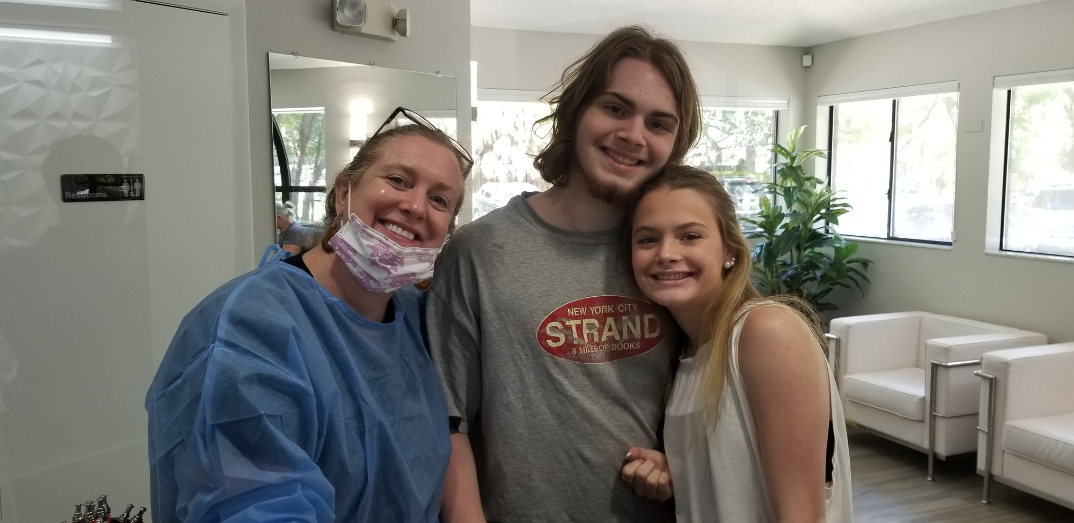
Family Dentistry team member smiling with two teen patients in the dental office
By Cruz Davis Dental • September 22, 2026
Prepare for your first Family Dentistry visit serving Newberry, FL, with Cruz Davis Family and Cosmetic Dentistry. Welcoming new patients — call to schedule today!
By Cruz Davis Dental • September 22, 2026
Gum disease is one of the most common oral health problems in the United States, yet many people don't realize they have it until it has already caused real damage. This article covers five early warning signs of gum disease that patients in Newberry, FL, and the surrounding Gainesville area should know, along with what to do if you notice them. Catching these signs early may make a significant difference in your treatment options and long-term oral health. Sign 1 -- Bleeding Gums Bleeding gums are one of the most recognizable early indicators of gum disease. If your gums bleed when you brush or floss, that's not something to brush off as normal. Healthy gum tissue typically does not bleed during routine cleaning. Bleeding is often a sign of inflammation caused by plaque and bacteria building up along the gumline. This early stage is called gingivitis, and catching it here may allow for simpler, non-invasive treatment. A periodontist can evaluate the extent of inflammation and recommend the most appropriate course of care. Sign 2 -- Gum Recession Gum recession means your gum tissue is pulling away from your teeth, making them look longer than they used to. It can happen gradually, so it's easy to miss. Recession creates tiny pockets between the teeth and gums where bacteria can collect and grow. Left untreated, those pockets deepen, and that's when more serious periodontal disease can develop. If your teeth seem to look "taller" in recent photos or your gumline has visibly changed, it's worth having a periodontist take a look. Sign 3 -- Persistent Bad Breath Occasional bad breath is normal after certain foods or in the morning, but bad breath that doesn't go away with brushing and flossing may signal a deeper problem. Bacteria that colonize beneath the gumline can produce persistent odors that no amount of mouthwash will fully mask. This type of chronic bad breath is a common early sign of gum disease, and it often appears before a patient notices any pain or visible gum changes. A periodontist can identify whether bacterial buildup below the gumline is the underlying cause. Sign 4 -- Loose Teeth Teeth that feel loose or have shifted position can be a sign that gum disease has progressed further than the surface level. Periodontal disease can break down the bone and connective tissue that hold teeth in place. When that support weakens, teeth may become mobile. This sign tends to appear in moderate to advanced stages, but it can still catch patients off guard, especially if they haven't noticed earlier symptoms. Any tooth looseness in an adult should be evaluated promptly by a periodontist. Sign 5 -- Pain or Discomfort When Chewing Pain or sensitivity when biting and chewing can have several causes, but discomfort that is localized around the gumline may point to periodontal involvement. Inflamed, infected gum tissue can make routine chewing feel tender or sharp. This symptom often appears alongside other signs on this list, such as recession or bleeding. If you've been avoiding certain foods because of mouth discomfort, it may be time to have your gum health evaluated. When Should You See a Periodontist in Newberry, FL? If you recognize one or more of these signs, an evaluation with a periodontist serving Newberry, FL, may be the right next step. The Newberry and Gainesville, FL, area includes a wide range of patients, from families near downtown Newberry and Jonesville to university-area residents in northwest Gainesville. Florida's warm, humid climate can contribute to conditions that favor bacterial growth, making consistent periodontal monitoring especially important for residents in this region. You don't have to wait until symptoms become severe. Early intervention is almost always more effective than late-stage treatment. Our periodontal care page explains what a full evaluation and ongoing gum care may involve, including what to expect at your first visit. Take the Next Step Toward Healthier Gums If any of these five signs sound familiar, don't wait to get checked. Early gum disease is far easier to manage than advanced periodontitis, and the earlier you act, the more options you may have. Cruz Davis Family and Cosmetic Dentistry serves patients in Newberry, FL, and the greater Gainesville area, offering comprehensive periodontal care for patients at every stage. Call (352) 384-0050 to schedule your evaluation, or contact us online to request an appointment at your convenience.
Grandpa teaches girl to bike
October 24, 2025
Learn what to do during a dental emergency, including steps for knocked-out teeth, toothaches, and chips. Get expert care quickly at Cruz Davis Dentistry in Gainesville.
Baseball player sliding
September 4, 2025
Discover essential tips for choosing the best emergency dentist in Gainesville, FL. Get fast, compassionate care for dental trauma, infections, and more.
Baseball game in progress
May 8, 2025
Learn the 5 signs that indicate you need an emergency dentist in Gainesville, FL, including severe tooth pain, broken teeth, infections, and more.
Man holding jaw at dentist.
February 25, 2025
Get fast and reliable emergency dental services in Gainesville. Contact Cruz Davis Family & Cosmetic Dentistry for quick relief from dental pain and issues.
Dental check-up
February 21, 2025
Discover how to choose the best emergency dental services in Gainesville, FL, ensuring fast relief and comprehensive care from trusted professionals at Cruz Davis Dentistry.
Boy on gator statue
February 4, 2025
Discover essential insights about redhead dental care, including pain sensitivity and anesthesia considerations for red-haired patients in dental procedures.
Dentist and happy patient
February 12, 2024
Thanks to modern dentistry techniques in Gainesville FL and elsewhere, dentists can offer various types of sedation to help patients relax. Learn more about dental sedation in this blog.
Happy patient at dentist.
January 22, 2024
This article sheds light on the vital aspects of root canal therapy and its role in preserving oral health. Open this blog to read more.